
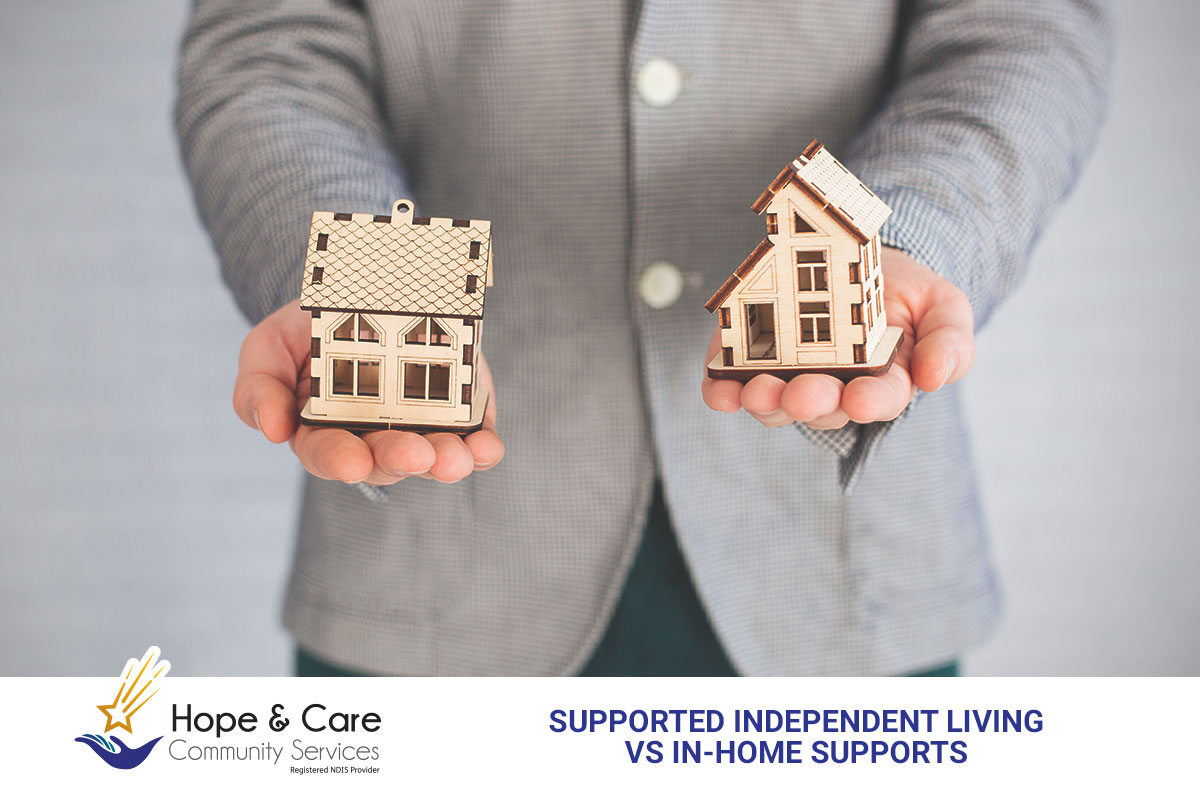
Choosing the right support at home can affect your independence, safety and daily routine. Supported Independent Living suits some people with higher support needs. In-home supports may suit people who need scheduled help during specific parts of the day. Understanding SIL vs in-home supports in Brisbane can help you discuss suitable options with your support network.
What Is Supported Independent Living?
Supported Independent Living, or SIL, funds support workers who help with daily tasks inside your home. SIL usually suits people who need significant support throughout the day. They may also need supervision or assistance overnight.
Support workers may help with personal care, meals, cleaning and household routines. They can also support skill development and greater independence. A participant may live alone or share a home with other NDIS participants.
In shared SIL, residents may share some worker support. Each person should still receive assistance based on their individual needs. SIL should offer more than supervision. It should help participants make choices and build practical living skills.
SIL does not fund the house itself. It also does not usually cover rent, groceries, electricity, internet or other ordinary expenses. Participants remain responsible for these everyday living costs.
What Are In-Home Supports?
In-home supports provide assistance within your current home. A support worker may visit for several hours each day or week. The schedule depends on your goals, routine and approved funding.
Support may include showering, dressing, meal preparation, cleaning or laundry. A worker may also help you organise appointments or develop household skills. These services can support participants who live alone, with family or with housemates.
In-home support offers flexibility when you do not need assistance all day. You can arrange visits around mornings, evenings or important weekly tasks. This option may also preserve existing family and community connections.
The NDIS often describes this support as Assistance with Daily Life. It may sit within a participant’s Core Supports budget. Funding must appear in your plan and relate to your disability support needs.
SIL vs In-Home Supports in Brisbane
The main difference involves the amount and structure of support. SIL provides a planned support arrangement across the full day. In-home services provide targeted assistance at agreed times.
SIL may suit you when:
- You need active support for many hours each day.
- You require regular overnight assistance or supervision.
- Informal supports cannot safely meet your daily needs.
- You want to develop skills within a supported household.
- A shared support arrangement matches your preferences.
In-home support may suit you when:
- You need help with selected daily tasks.
- You can spend periods safely without worker assistance.
- You want to remain in your current home.
- Family or informal supports still play an appropriate role.
- You prefer to organise workers around your routine.
Neither option offers greater independence automatically. The right choice depends on how support fits your life. Good support should increase choice rather than create unnecessary restrictions.
How Do the Funding Pathways Differ?
In-home assistance may already appear within your Core Supports budget. Check whether your plan includes Assistance with Daily Life. Then confirm which tasks, hours and provider arrangements match your plan.
SIL follows a more detailed home and living assessment process. Start by listing your daily support needs, goals and current informal assistance. Describe when you need help and what could happen without suitable support.
Speak with your my NDIS contact about available home and living options. You may need recent evidence from an occupational therapist or another relevant professional. Evidence should explain your functional needs, required support times and explored alternatives.
A support coordinator may help you compare providers and understand proposed rosters. Review how each provider will deliver individual and shared support. Ask how overnight assistance, community access and unexpected needs will work.
Funding decisions remain individual. Requesting SIL does not guarantee that the NDIS will include it. The NDIA considers your evidence, goals, support needs and other suitable options.
Do Not Confuse SIL With SDA
Specialist Disability Accommodation, or SDA, refers to specially designed housing. It may suit people with extreme functional impairment or very high support needs. Features can include wide doorways, accessible kitchens and specialised bathrooms.
SIL pays for support workers inside the home. SDA relates to the physical property. Some participants receive funding for both, while others only need one.
A standard SIL home does not automatically qualify as SDA. Always check the property type and your approved funding before making plans.
Questions to Ask Before Choosing
Think beyond the number of support hours. Consider your preferred area, housemates, privacy and daily routine. Your home should also support access to healthcare, transport and community activities.
Ask potential providers:
- How will you match residents and housemates?
- Which support hours remain shared or individual?
- What happens when a worker becomes unavailable?
- How will staff support personal routines and choices?
- Can the arrangement change when your needs change?
- Which costs will you pay from your own income?
Visit a proposed home before accepting a vacancy. Meet the people involved where possible. Review the service agreement, roster and household expectations carefully.
Finding the Right Support With Hope & Care Community Services
Hope & Care Community Services can help Brisbane participants compare SIL and in-home support arrangements. Our team can discuss personal care, household assistance, daily routines and independence goals. Support coordination can also help organise assessments and connect the different parts of your plan.
For participants exploring a move, we can discuss available SIL and SDA properties across Brisbane and nearby communities. Current options may vary by location, accessibility, vacancies and support compatibility.
Choosing between SIL and in-home supports requires honest planning. Consider when you need help, how much privacy you prefer and where you want to live. The best arrangement should support safety, choice and a meaningful daily life.NDIS supports for work and study in Brisbane should help you develop skills and participate with confidence.
Want to learn more? Read other articles :
- NDIS Reforms 2026 What’s Changing, When, and Who Is Affected
- Supported Independent Living (SIL)
- Occupational Therapy for Daily Living under NDIS
HCCS is a registered NDIS provider. Learn more about our services. or NDIS
♥ We are available in Brisbane! – Our team is just a call away!