
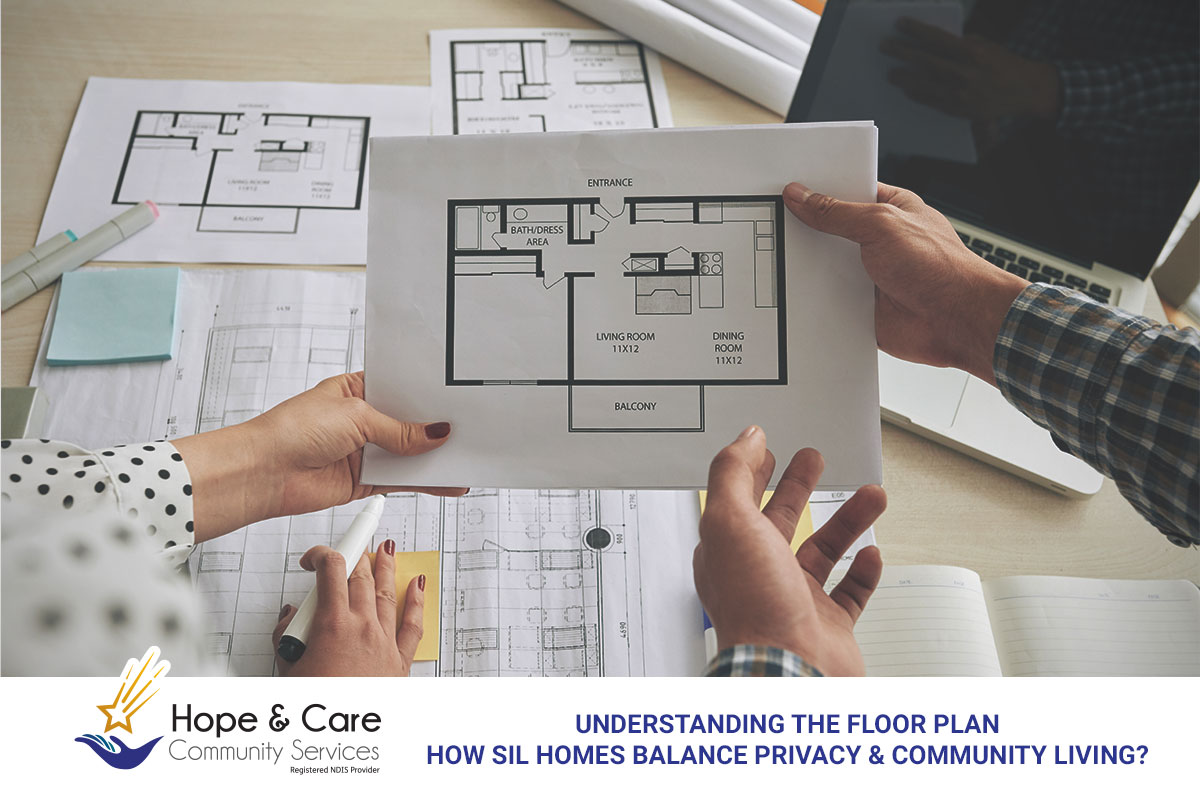
Choosing a Supported Independent Living home involves more than checking bedroom numbers. The floor plan shapes daily routines, privacy, safety and social connection. A thoughtful SIL home floor plan in Brisbane can help participants feel at home while receiving suitable support. It can also make shared living more comfortable.
Why Floor Plans Matter in Shared SIL Homes?
Supported Independent Living helps eligible participants with daily tasks and supervision at home. SIL may also include overnight support when a participant’s approved needs require it. Importantly, SIL relates to the support delivered rather than the property itself.
Two homes with the same bedroom count can feel very different. Bathrooms, lounges, quiet areas and room placement can all affect independence. A suitable layout should work with each participant’s mobility, routines and preferences. It should also make everyday support practical.
Private Bedrooms and En Suites Create Personal Space
A private bedroom gives each participant space for rest, personal routines and quiet time. Good layouts also help participants control who enters their personal space. This matters in any home shared with other people. NDIS guidance for SIL settings also recognises participants’ involvement in decisions about private and shared spaces.
Private en suites can add another layer of privacy. They may simplify personal care and reduce reliance on shared bathrooms. They can also provide greater consistency for participants who use mobility equipment. However, not every SIL home needs an en suite for every bedroom.
Shared bathrooms can still suit some households. The key question is whether the layout matches the people living there. Accessibility, privacy and individual support requirements should guide the choice.
Communal Lounges Support Connection and Choice
Shared living should encourage connection without forcing constant interaction. Communal lounges, dining areas and kitchens can support meals, conversations and shared activities. They also provide practical areas for workers to assist with everyday tasks.
The best communal spaces offer choice. A participant might join housemates for dinner, then return to their private bedroom. Larger homes may include a second lounge or another quieter shared area. This separation can reduce crowding and support different social preferences.
Current Hope & Care Community Services property examples show this variety. Loganlea includes an open-plan living, dining and kitchen area. Mackenzie includes two separate living areas, while Caboolture also provides two living areas and a dedicated OOA room.
How OOA Rooms Work Without Intruding on Privacy?
Onsite Overnight Assistance, commonly called OOA, can involve an additional space for workers providing overnight support. The room gives support staff a distinct area instead of requiring them to use participant bedrooms or communal lounges. This can keep assistance nearby while maintaining clearer boundaries around personal living spaces.
Not every SIL home includes or requires an OOA room. Overnight arrangements should reflect each participant’s approved supports and individual circumstances. Where a separate OOA space forms part of the property, it can help distinguish staff areas from participant living areas.
Room location also matters. Participants should be able to use bedrooms and lounges without unnecessary staff presence. At the same time, workers need practical access when overnight assistance forms part of the support arrangement.
HCCS listings show different approaches to this design. Loganlea includes onsite overnight assistance, while Mackenzie has an extra room for support staff. Caboolture includes a dedicated OOA room alongside participant bedrooms and shared living areas.
Maximising Independence Through Better Layout
Independence often develops through ordinary daily choices. A useful floor plan makes it easier to prepare food, move between rooms and manage personal routines. Clear pathways can also support safer movement for people using wheelchairs or other mobility equipment.
Shared homes should make choice easy. Participants may want to cook together on some days and independently on others. They may enjoy a social lounge but still need quiet time. Different spaces can support both preferences.
A good layout should also help workers provide assistance without taking over the home. The participant’s goals, communication preferences and support needs should guide how each space gets used. This approach keeps support practical and person-centred.
What to Look for Before Choosing a SIL Home?
Before choosing a shared SIL home, look beyond bedroom sizes. Think about how you would move through the property during a normal day. Check whether bathroom access meets your needs. Also consider whether your private areas feel genuinely separate.
Consider where support workers will spend time during active and quieter periods. Ask how housemates usually use shared spaces. A second lounge or outdoor area may provide useful alternatives when someone wants more space.
If overnight support applies, understand where the OOA or staff area sits. These details can reveal whether the home balances support with privacy. They can also help you picture how the property may work during everyday routines.
Finding a SIL Home That Fits Your Life
A successful shared home balances privacy, community living and practical support. Private bedrooms and en suites can protect personal routines. Communal areas can encourage social participation, while separate OOA spaces can keep overnight assistance nearby without dominating participant areas.
At Hope & Care Community Services, we can help participants explore SIL options across Brisbane and consider how each property’s layout fits everyday needs. Our team can discuss routines, accessibility, support requirements and preferred shared-living arrangements. Where suitable, we can also connect SIL supports with personal care, community participation and Support Coordination. Our focus is helping participants pursue greater choice, comfort and independence at home.
Want to learn more? Read other articles :
- NDIS Reforms 2026 What’s Changing, When, and Who Is Affected
- Supported Independent Living (SIL)
- Onsite Overnight Assistance Rooms in Brisbane Robust SDA: Why They Matter for Crisis Prevention
HCCS is a registered NDIS provider. Learn more about our services. or NDIS
♥ We are available in Brisbane! – Our team is just a call away!