
Becoming more accessible in Brisbane and Australia should matter to every person, business and community group. Accessibility does not only help people with disability. It also supports older people, carers, families with prams, people recovering from injury and visitors who need clear information. In 2022, 5.5 million Australians had disability, which means accessibility affects more than one in five people across the country.
What does accessibility really mean?
Accessibility means people can enter, use, understand and enjoy a place, service or experience. It includes ramps and lifts, but it goes much further. It also includes readable websites, clear signs, quiet spaces, flexible communication and safe transport options. Ongoing gaps in digital access, air travel, public spaces, public transport and parking across Australia are more common than we think.
A more accessible Australia does not happen by accident. It needs planning, listening and action. Australia’s Disability Strategy 2021–2031 sets a national vision for a more inclusive and accessible society. It aims to help people with disability take part as equal members of the community.
Start with better digital access
Many people now use websites before they call, visit or book a service. That makes digital access a basic part of inclusion. A website should work with screen readers, keyboard navigation and simple page layouts. It should also use plain language, strong colour contrast and meaningful button labels.
Digital access helps people find information without stress. It also helps carers, support coordinators and families compare services faster. The Australian Human Rights Commission says web access can often be achieved when organisations use best-practice solutions during design.
Make public spaces easier to use
Brisbane has parks, shopping centres, events, libraries and community hubs. These places should welcome everyone. Accessible seating, step-free paths, working lifts, clear signage and nearby toilets all improve participation. Staff training also matters because a good layout still fails when people feel ignored.
Public spaces should support different sensory and mobility needs. Some people need lower noise, shorter queues or clearer instructions. Others need enough room for mobility aids. When organisers plan access early, people can attend with more confidence.
Improve transport and parking access
Transport can decide whether someone joins community life or stays home. Reliable ramps, safe boarding, audio announcements and visible signs all matter. The public transport infrastructure still has accessibility gaps across Australia.
Parking also shapes access. A nearby accessible bay can reduce pain, fatigue and risk. It can also support people who use wheelchairs, walkers or transfer equipment. Businesses, venues and community groups should check parking, pathways and entry points together. One weak link can block the whole visit.
Build homes and supports around real life
Accessibility does not stop at the front door. A home should support daily routines, privacy, safety and choice. That may include wider spaces, safer bathrooms, assistive technology or support worker access. It may also include the right location near shops, health services and community links.
For NDIS participants in Brisbane, accessible living often connects with supports such as Supported Independent Living, Specialist Disability Accommodation, in-home support and community participation. The right option should match the person’s goals, not only their funding category. Good planning looks at lifestyle, support needs and long-term independence.
Listen to people with lived experience
Accessibility works best when people with disability help shape decisions. They know which barriers slow them down, make them unsafe or exclude them. A venue may look accessible on paper but still feel hard to use in real life. A website may meet basic checks but still confuse people.
Listening should happen before a service launches, not only after complaints. Ask simple questions. Can people find the entrance? Can they read the information? Can they ask for help? Can they take part without extra stress? These questions lead to better design.
Small actions can create big changes
Becoming more accessible in Brisbane and Australia does not always need a major rebuild. Small actions can change someone’s whole day. Add clear directions to a website. Offer text and phone contact options. Keep pathways clear. Train staff to speak respectfully. Use plain English in forms and service pages.
Inclusion grows when people treat access as normal. It should not feel like a special request. It should sit inside everyday planning, budgeting and customer service. That mindset helps communities become more welcoming and practical.
Conclusion
A more accessible Brisbane starts with better choices in homes, services and community participation. Hope & Care Community Services supports NDIS participants through services such as personal care, in-home supports, community and civic participation, Supported Independent Living, short-term and medium-term accommodation, Allied Health, NDIS Plan Management, Positive Behaviour Support and Support Coordination. HCCS also provides SIL and SDA property options across Brisbane and Queensland locations.
To keep learning, readers can explore the HCCS website, services page, SIL / SDA properties page and blog for more Brisbane-focused NDIS information.
Want to learn more? Read other articles :
- SIL / SDA Properties
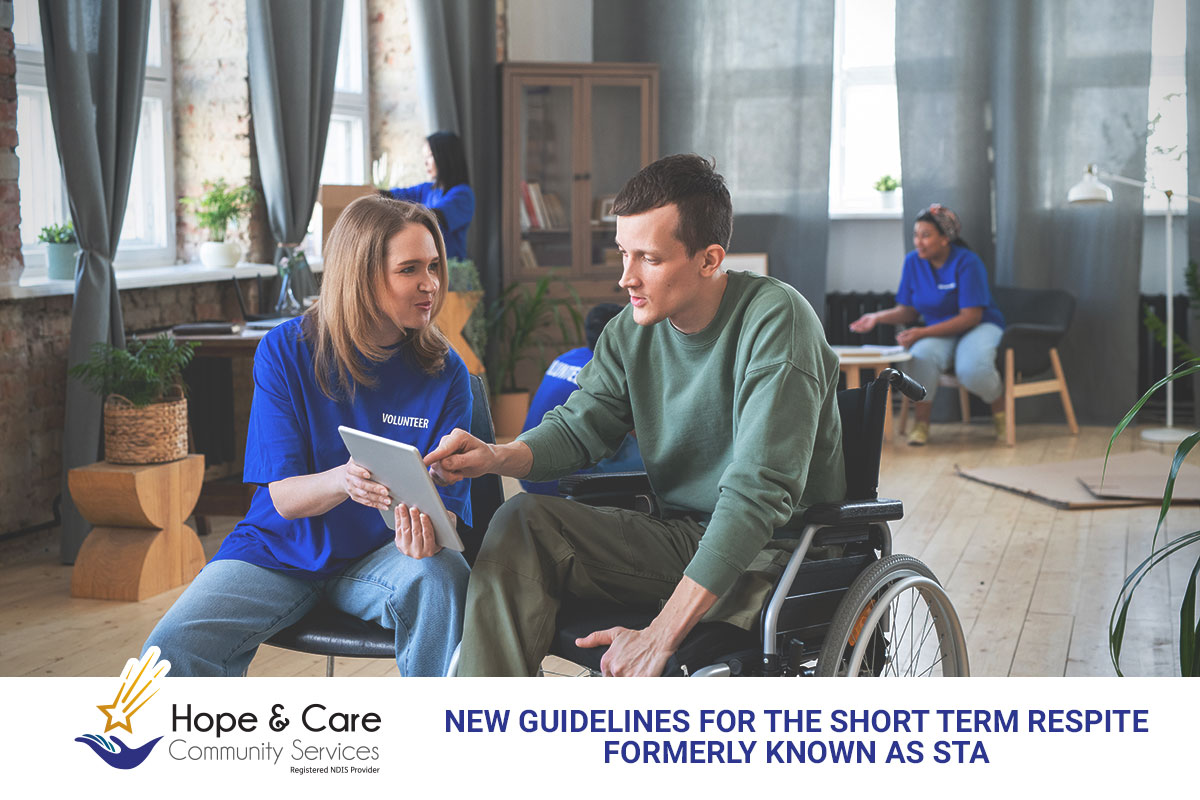
- New Guidelines for the Short Term Respite – Formerly Known as Short Term Accommodation (STA) in Brisbane
- Change in NDIS SIL: What the New Reforms Means
- Individualised Living Options (ILO) in the NDIS. How can it work for you?
HCCS is a registered NDIS provider. Learn more about our services.
♥ We are available in Brisbane! – Our team is just a call away!