
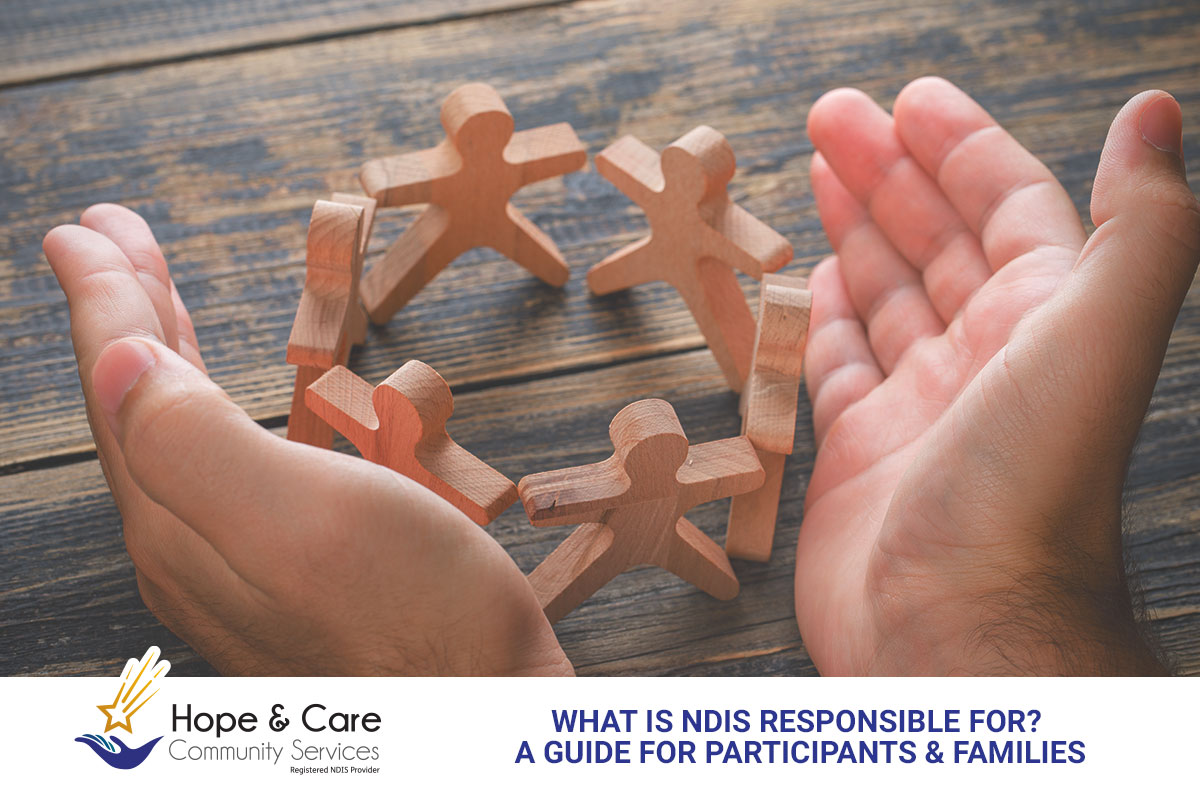
Many people ask, “What is NDIS responsible for?” The answer can feel confusing at first. The NDIS does not fund every need in a person’s life. It funds eligible disability-related supports that help participants pursue goals in their NDIS plan. The NDIS explains that each participant has an individual plan with goals and funded supports. Participants then use that funding to buy supports and services that help them work towards those goals.
What is the NDIS responsible for?
The NDIS provides funding to eligible people based on their individual disability support needs. These needs can vary from person to person. One Brisbane participant may need help with daily personal activities. Another may need behaviour support, home modifications, assistive technology or help joining community activities.
The key point is simple. The support must relate to the person’s disability and their plan goals. It should also help with daily life, safety, independence or participation. The NDIS is not a general income, health, housing or transport system. It works beside those systems, not instead of them.
What types of supports can the NDIS fund?
The NDIS may fund supports such as daily personal activities, transport for participation, workplace help, therapeutic supports and behaviour support. It may also fund help with household tasks, equipment assessment, home modifications, mobility equipment and vehicle modifications.
These supports should connect with a participant’s disability needs. They should also support the goals in their plan. For example, personal care may help someone start their day safely. Community access may help them attend activities or appointments. Behaviour support may help improve safety and quality of life.
What does choice and control mean?
Choice and control means participants have a say in how they use their funded supports. The NDIS says participants can choose how supports are delivered and which service providers they use.
This matters in Brisbane, where participants may compare many local providers. The right provider should understand the person’s goals, routine and support needs. A participant may want a worker who supports community access. Another may need help with in-home routines, shared living or coordination. Choice works best when the person receives clear information.
What is the NDIS not responsible for?
The NDIS has limits. It cannot fund a support that another government system or community service should provide. It also cannot fund supports that do not relate to a person’s disability. The NDIS also excludes daily living costs that are not linked to disability support needs. It cannot fund supports that may cause harm or create risk for others.
This helps explain common confusion. Rent, groceries, regular bills and general living costs usually sit outside NDIS funding. Public hospitals, schools, employment services and housing systems also have their own responsibilities. The NDIS may still fund disability-related support that helps a person access those systems.
Why do funding boundaries matter?
Funding boundaries protect the purpose of the scheme. They also help participants plan with more clarity. When people know what NDIS is responsible for, they can ask better questions. They can also avoid using funds in ways that may cause plan issues later.
For example, a participant may need transport support to attend community activities. That can relate to disability participation. However, everyday fuel costs for the whole household may not. A participant may need support workers for personal care. Yet general household expenses still remain separate.
What about home and living supports?
Home and living supports can include different funding types. Some participants may need Supported Independent Living. Others may explore Specialist Disability Accommodation, short-term accommodation or help with daily tasks in the home.
The NDIS responsibility still depends on disability-related need. A home and living request should show why the support helps the person live more safely, build skills or increase independence. It should not only focus on finding a place to live. It should also explain the support model that helps daily life work better.
How Brisbane participants can make sense of their plan
Start by reading each budget category in your plan. Look at the stated goals and the supports linked to them. Then ask how each support helps your disability needs. This can make service choices easier.
It may also help to keep practical examples. Write down where support helps with personal care, transport, behaviour, community access or daily tasks. These examples can support future conversations with providers, support coordinators or NDIS partners.
What happens if someone is not eligible?
The NDIS can still provide information and help people with disability, families and carers connect with community and other government services. The NDIS notes that some people may only need these broader supports.
This is useful for families who feel unsure. A person may not receive NDIS funding but may still need support from health, housing, education, employment or local community services. The right pathway depends on the person’s situation.
Conclusion
Understanding what NDIS is responsible for can help Brisbane participants make better plan decisions. Hope & Care Community Services provides services including personal care, in-home supports, community and civic participation, Supported Independent Living, short-term and medium-term accommodation, Allied Health Services, NDIS Plan Management, Positive Behaviour Support and Support Coordination. HCCS also lists SIL and SDA property options across Brisbane and Queensland locations. Readers can explore the HCCS website, services page, SIL / SDA properties page and blog for more local NDIS information.
Want to learn more? Read other articles :
- SIL / SDA Properties
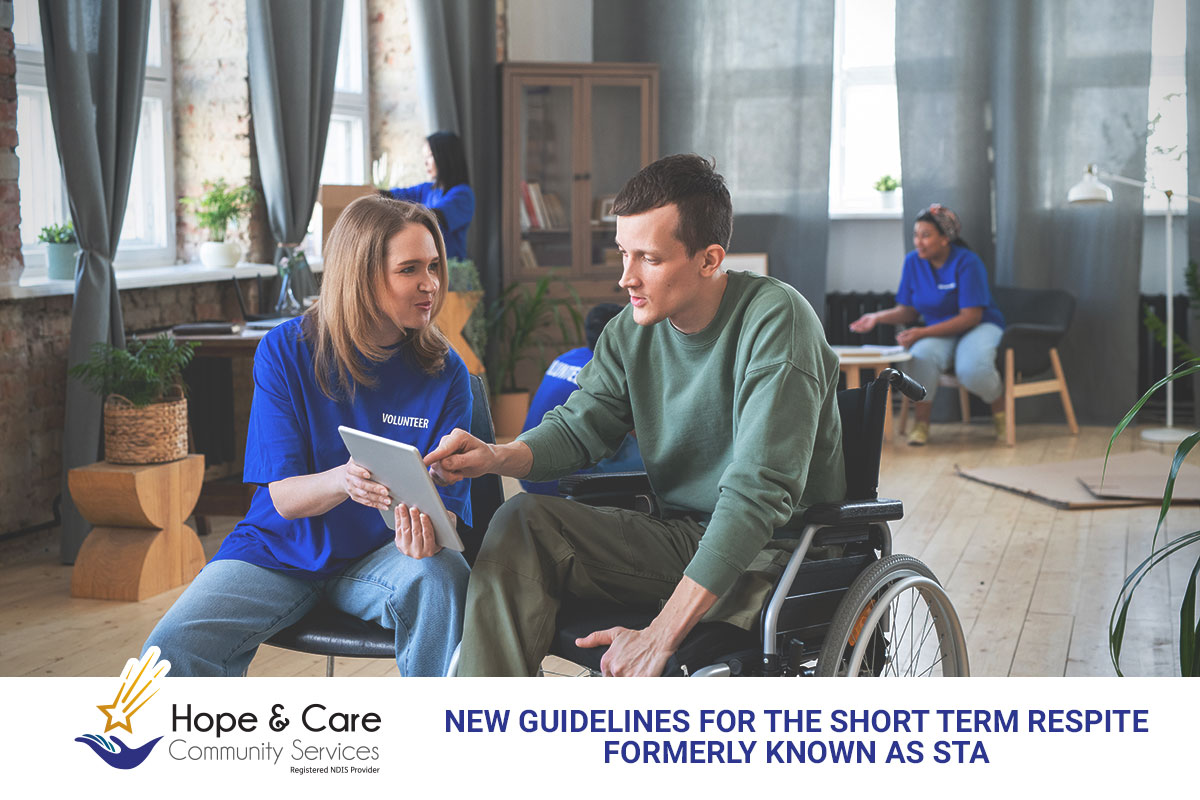
- New Guidelines for the Short Term Respite – Formerly Known as Short Term Accommodation (STA) in Brisbane
- How Will Budgets Be Calculated Under New Framework Plans?
HCCS is a registered NDIS provider. Learn more about our services. or NDIS
♥ We are available in Brisbane! – Our team is just a call away!