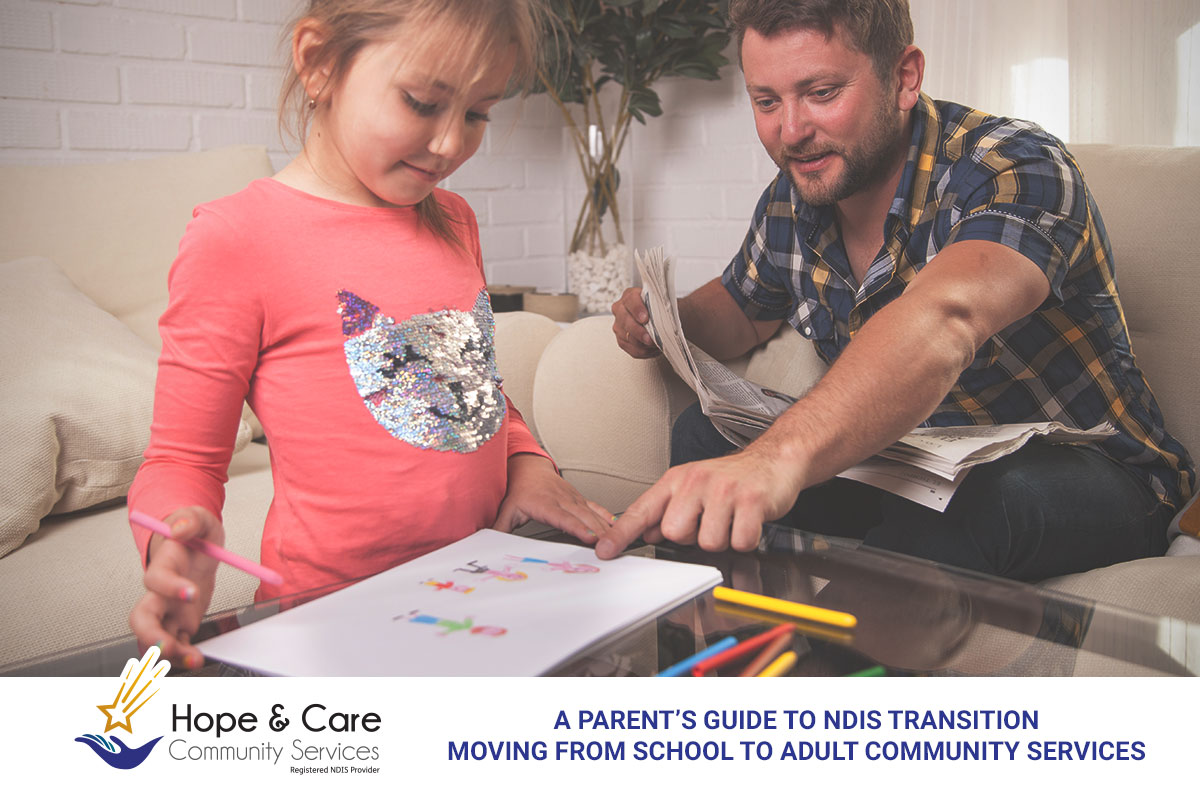
Leaving school can bring pride, hope and uncertainty. School has often provided routine, familiar staff and predictable support. When that structure ends, families must build a new adult life around personal goals. A thoughtful NDIS transition from school to adult services in Brisbane can make this change safer and more purposeful.
Transition involves new responsibilities, changing relationships and practical skill development. Young people need time to explore adult roles and community options. Parents also need support while their caring role changes.
Why This Transition Can Feel So Significant
School creates a reliable rhythm through classes, transport, activities and regular communication. Adult services rarely offer one complete replacement. Families may need to coordinate community programmes, support workers, transport, study and healthcare separately.
This change can feel like a loss, even when everyone welcomes adulthood. Parents may worry about safety, loneliness or reduced opportunities. Young people may miss friends, teachers and familiar expectations. Acknowledging these feelings helps families respond with patience.
Start With the Young Person’s Adult Life Vision
Begin with the life your young person wants. Do not start only with the available services. Discuss their interests, strengths, preferred routines and comfortable environments. Explore what friendship, work, learning and independence could look like for them.
Use clear questions and accessible communication. Ask where they enjoy spending time. Discuss which skills they want to develop. Use communication aids, visual choices or supported decision-making when needed.
Post-school pathways should reflect the young person’s aspirations, abilities and interests. These pathways may include employment, further education, community participation or individual skill building.
Goals may include using public transport or joining a local group. They could also include preparing meals, volunteering or studying at TAFE. Specific goals make suitable supports easier to identify and review.
Replace School Structure Before It Ends
Do not wait until the final school day to create a new routine. Start exploring options during the final school years. Test activities gradually and note what builds confidence.
Create a weekly plan that balances skill building, social connection and rest. Include household tasks, community activities, transport and backup options. A visible routine can reduce uncertainty and support emotional regulation.
Avoid filling every hour with organised services. Adult life should include choice, downtime and ordinary community experiences. Leave space for hobbies, family relationships and spontaneous activities.
Build Skills Through Everyday Experiences
Individual skill building works best when it connects with real life. Practise shopping while preparing a weekly meal. Learn money skills while paying for an activity. Build communication skills during a community group or appointment.
Useful skills may include personal care, cooking, cleaning and time management. Other goals may involve road safety, public transport and asking for help. Community participation supports can develop teamwork, social confidence and money-management skills.
Progress will look different for every person. One young adult may complete a task independently. Another may make more choices or need fewer prompts. Celebrate practical gains without comparing journeys.
Plan Community Participation With Purpose
Community participation should reflect genuine interests. A busy group may not suit someone who prefers quiet settings. A creative class, library activity or volunteering role may offer stronger connections.
Visit services before making a long commitment. Observe noise, group size, staff communication and accessibility. Ask how workers support personal choice and respond to distress. The right setting should build belonging, not simply fill time.
Include mainstream community options where suitable. Local clubs, TAFE courses, recreation centres and volunteering groups can widen social networks. Disability-specific services can add targeted support when barriers require it.
Understand Changing Responsibilities
School supports end when education finishes, but adult needs continue. The NDIS may fund eligible supports related to a participant’s disability. Education, health and employment systems still hold their usual responsibilities.
Identify each support gap clearly. Record what the school currently provides and what will stop. Then explain how each gap affects daily life, safety or community participation. This information can strengthen planning conversations.
Gather current reports that explain functional needs and expected outcomes. Include the young person’s own goals wherever possible. Clear evidence links requested supports with adult participation and independence.
Support the Family’s Emotional Transition
Parents often carry years of advocacy knowledge and responsibility. Letting new workers support an adult child can feel uncomfortable. Build trust gradually through clear agreements, regular reviews and honest communication.
The young person may also need more privacy and control. Discuss consent, information sharing and family involvement before school ends. Support choice while maintaining suitable safeguards. This balance may change as skills and confidence grow.
Parents should also make space for their own emotions. Relief, sadness, worry and excitement can exist at the same time. Speaking openly with trusted people can make the transition feel less isolating.
Moving Forward With Hope & Care Community Services
Hope & Care Community Services can help Brisbane families turn transition goals into practical support arrangements. Our team can assist with support coordination, personal care, life skills and community participation. We can also help organise providers and review whether supports still match the participant’s goals.
When future living arrangements become relevant, we can explore suitable SIL or SDA pathways. Available options may include locations across Brisbane and South East Queensland.
We focus on personal choice, gradual skill development and meaningful community connection. A strong transition plan does not try to recreate school. It helps a young person build an adult life with confidence, purpose and belonging.
Want to learn more? Read other articles :
- NDIS Reforms 2026 What’s Changing, When, and Who Is Affected
- Supported Independent Living (SIL)
- Occupational Therapy for Daily Living under NDIS
HCCS is a registered NDIS provider. Learn more about our services. or NDIS
♥ We are available in Brisbane! – Our team is just a call away!