
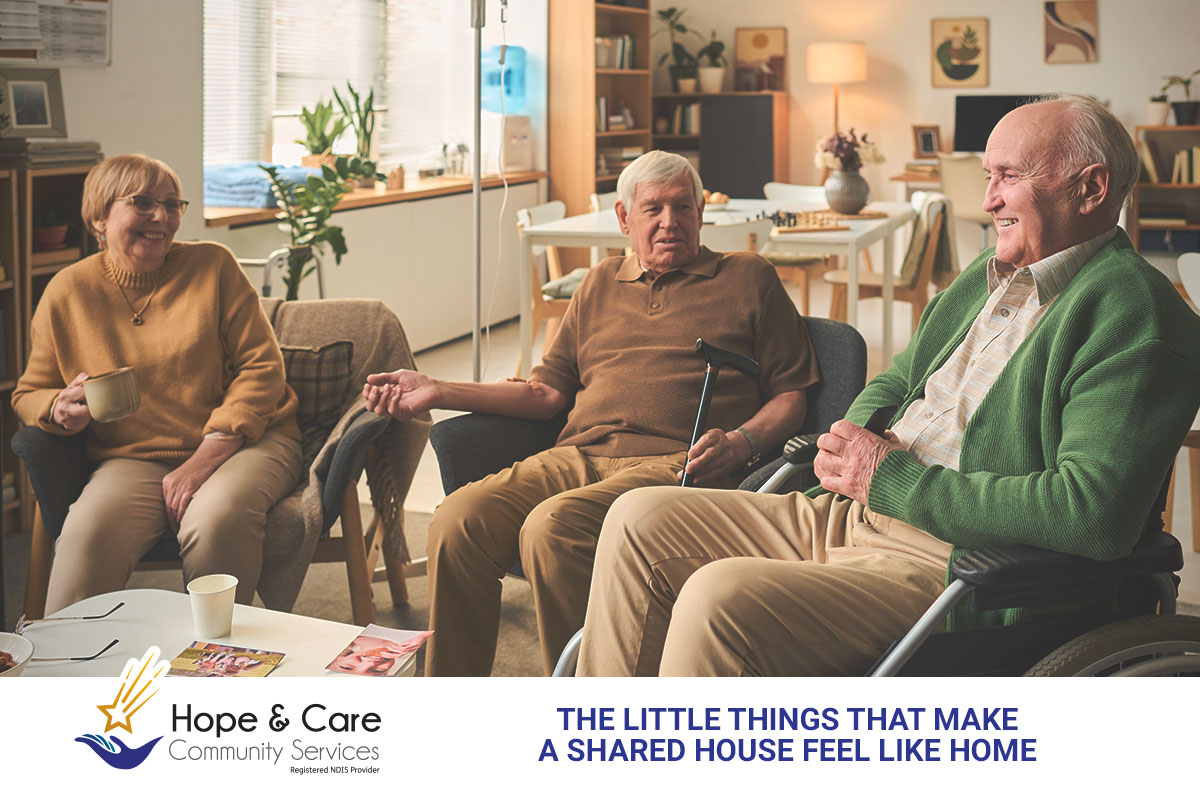
A house can have comfortable rooms and a convenient Brisbane address, yet still feel unfamiliar. Often, the little things make the difference: a favourite mug, a quiet morning or a familiar playlist. For NDIS participants exploring shared living in Brisbane, these details are more than decorating choices. They help shape everyday routines and a sense of belonging.
Whether you are considering Supported Independent Living (SIL) or Specialist Disability Accommodation (SDA), your preferences matter.
Keep Your Favourite Routines
Some people enjoy breakfast at sunrise. Others prefer a slow morning, followed by music and a cup of tea. Shared living does not mean everyone needs the same timetable. Talk about your usual meals, hobbies, bedtime and preferred ways to start the day.
For example, you might enjoy preparing lunch yourself but need help reaching certain kitchen items. A support worker can discuss how assistance fits your routine and approved NDIS supports. Familiar habits can remain part of daily life, even when your address changes.
Make Your Room Feel Like Yours
Your bedroom can be a place to unwind, make choices and enjoy privacy. Family photographs, familiar bedding and treasured belongings can make a new space feel personal. Before moving, check which furniture and decorations suit the room and your accessibility needs. Ask about storage, lighting, noise and any practical safety considerations.
You may want a reading lamp beside your chair or a clear pathway for mobility equipment. Small details like these can help your room work better for you.
Respect Boundaries and Privacy
Living with others does not remove your right to personal space. Housemates and support workers should respect your preferences about knocking, entering your room and handling belongings. You can also discuss private phone calls, personal care and quiet time. Clear boundaries help everyone understand what feels comfortable.
For instance, one person might welcome conversation after dinner, while another needs time alone. Neither preference is wrong. Good shared living arrangements make room for both.
Share Spaces Without Losing Your Say
Kitchens, lounges and outdoor areas often bring housemates together. They can also create everyday decisions about television, music, meals and visitors. Discuss how everyone can contribute ideas and manage differences respectfully. Simple agreements help, but they should not replace individual choice.
Perhaps one housemate enjoys cooking on Saturdays and another like hosting afternoon tea. Planning together can create opportunities for connection without making anyone join every activity.
Bring Familiar Comforts into New Places
Home can feel familiar through sounds, smells, objects and everyday traditions. Your favourite breakfast, a family recipe or a familiar radio program may carry personal meaning. Cultural practices, celebrations and communication preferences also deserve consideration. Share what matters to you with housemates and workers.
You might like celebrating a birthday quietly or having family visit on weekends. Discuss these preferences early, alongside visitors’ arrangements and other residents’ privacy. A comfortable home leaves space for individual traditions.
Let Support Fit Around Your Life
SIL generally funds eligible assistance and supervision with daily activities, rather than the home itself. Depending on approved supports, workers may assist with dressing, cooking or household tasks. These interactions should involve listening, clear communication and opportunities to make decisions. The goal is not to turn every household task into a fixed schedule.
For example, you might prefer choosing dinner ingredients before a worker helps prepare the meal. Your needs may change over time, so discuss how the support arrangement can respond.
Look Beyond the Front Door
Feeling at home also means staying connected to people and places you enjoy. Consider local transport, shops, parks, healthcare and community activities when exploring accommodation around Brisbane. Think about how you will visit friends, attend appointments or follow existing interests. The best location depends on your routines, access requirements and priorities.
It helps to explore the neighbourhood at the times you usually go out. Ask practical questions about travel and accessibility rather than relying on photographs alone.
Understand the Home and the Support
SDA refers to specialist housing for eligible participants with extreme functional impairment or very high support needs. SIL refers to eligible daily support delivered by workers. Some participants have both, while others use different housing and support arrangements. Neither label guarantees that a property or household will suit you.
Before deciding, discuss housemate preferences, private spaces, costs and separate housing and support agreements. Ask who handles concerns and how changes to routines or supports are managed. Your choices deserve attention before and after moving day.
How HCCS Can Help You Explore Shared Living?
At Hope & Care Community Services (HCCS), we know a home involves more than its floor plan. We can discuss your daily support needs, personal preferences and goals when exploring SIL arrangements around Brisbane. Where appropriate, our support coordination services can also help you understand options and connect with suitable services.
Explore our SIL and SDA properties and disability support services. Property suitability, vacancies and available supports depend on individual circumstances. A place starts feeling like home when your everyday choices remain part of the picture.
Want to learn more? Read other articles :
- Accessible Travel across Australia: A Complete Guide
- Onsite Overnight Assistance Rooms in Brisbane Robust SDA: Why They Matter for Crisis Prevention
- Redefine Independence your own way – with HCCS
HCCS is a registered NDIS provider. Learn more about our services. or NDIS
♥ We are available in Brisbane! – Our team is just a call away!