
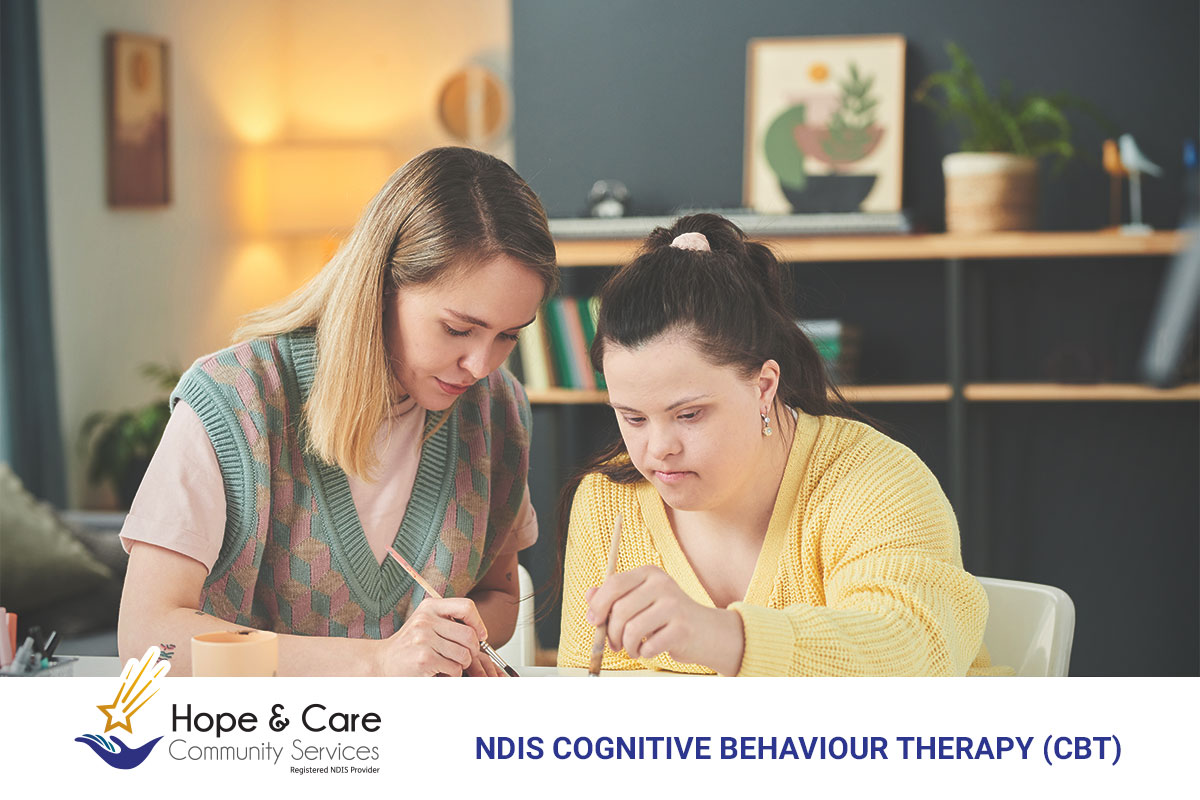
It encourages us to reflect on how society understands difference, ability and inclusion. Rather than focusing on limitations, this day asks us to recognise people with Down syndrome as individuals with their own identities, aspirations and contributions.
In Australia, conversations about inclusion often connect with the National Disability Insurance Scheme (NDIS). Understanding how Down syndrome fits within the NDIS framework helps families, carers and communities better support people across all stages of life.
The Meaning Behind World Down Syndrome Day
World Down Syndrome Day exists to remind us that diversity is a natural part of being human. The presence of an extra chromosome does not define a person’s worth or potential. Instead, it challenges communities to adapt systems, environments and attitudes so that everyone can participate meaningfully.
This day also invites us to question assumptions about independence, success and productivity. Inclusion does not mean asking people with Down syndrome to fit into existing moulds. Rather, it means creating spaces where people can belong, contribute and grow in ways that reflect who they are.
What Is Down Syndrome?
Down syndrome is a genetic condition caused by the presence of an extra copy of chromosome 21. This additional genetic material affects development and can influence learning, communication, physical health and daily living skills. However, people with Down syndrome have varied abilities, personalities and interests, just like anyone else.
While many people with Down syndrome experience mild to moderate intellectual disability, they continue to learn and develop skills throughout their lives. With access to inclusive education, meaningful relationships and appropriate supports, people with Down syndrome can participate actively in family, work and community life.
Down Syndrome, Disability and the NDIS
Down syndrome results in a permanent intellectual disability and for many people, it meets the disability requirements for support under the NDIS. The scheme recognises disability based on how a condition affects a person’s functional capacity, rather than diagnosis alone.
As a result, many people with Down syndrome are eligible for the NDIS because the condition can significantly affect learning, communication, self-care and participation in everyday activities. Eligibility is assessed on an individual basis, taking into account the impact of the disability on daily life and the need for ongoing support.
Once a person with Down syndrome becomes an NDIS participant, the NDIS can fund reasonable and necessary supports that directly relate to their disability and align with their personal goals. These supports aim to build skills, support independence and increase participation across different environments.
How the NDIS Can Support People with Down Syndrome
Depending on individual needs and life stage, NDIS supports for people with Down syndrome may include assistance with daily living activities at home or in the community. In addition, support coordination can help participants and families understand their NDIS plan, connect with suitable providers and navigate the system with greater confidence.
The NDIS may also fund allied health supports, such as speech therapy, occupational therapy and physiotherapy. These supports can assist with communication, mobility, self-care and daily functioning and often play an important role across childhood, adolescence and adulthood.
Furthermore, the NDIS can support people with Down syndrome during key life transitions, including starting school, leaving school, moving into adulthood or exploring employment and community participation. Because NDIS plans are individualised, supports differ from person to person and change as goals and circumstances evolve.
Choice, Control and Person-Centred Planning
Choice and control sit at the centre of the NDIS. For people with Down syndrome, this principle reflects a deeper philosophy: every person has the right to influence their own life. Person-centred planning focuses on listening first and supporting decision-making at a pace that suits the individual.
Families and carers often play an important role in planning and decision-making, particularly during childhood. Over time, however, supports may increasingly focus on building confidence, communication and self-advocacy. As a result, individuals gain greater opportunities to shape their routines, goals and future direction.
Inclusion Beyond NDIS Supports
While the NDIS provides important disability supports, inclusion extends beyond funded services. Schools, workplaces and community spaces all influence whether people with Down syndrome feel welcomed and valued.
When communities hold high expectations and remove barriers, they create environments where people with Down syndrome can participate more fully. In turn, inclusion becomes part of everyday life rather than something symbolic or occasional.
Reflecting on World Down Syndrome Day
World Down Syndrome Day reminds us that people with Down syndrome are not defined by a diagnosis, but by their humanity. Respect, opportunity and understanding shape outcomes just as much as any formal support.
By combining appropriate NDIS supports with inclusive attitudes and thoughtful planning, communities can support people with Down syndrome to live lives that reflect their values, interests and aspirations. At Hope & Care Community Services, we recognise the importance of respectful, person-centred disability supports that adapt across life stages and align with individual needs.
Want to learn more? Read other articles :