
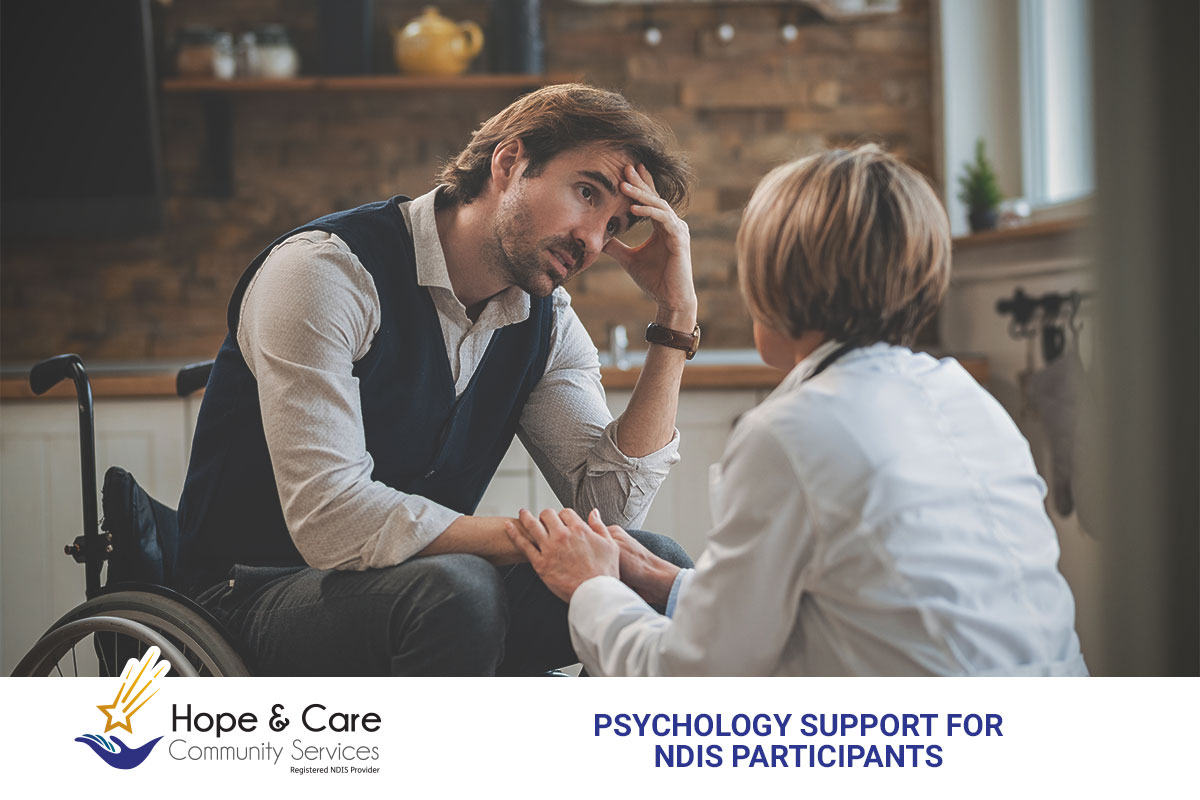
Mental health strongly influences overall wellbeing, particularly for people living with disability. Many individuals supported under the National Disability Insurance Scheme (NDIS) experience mental health challenges alongside physical, intellectual or psychosocial disabilities. As a result, psychology support for NDIS participants plays an essential role in helping individuals manage emotions, build coping skills and improve daily functioning.
Within the NDIS framework, psychologists deliver evidence-based and person-centred support. Importantly, these services adapt to each participant’s needs and goals, ensuring mental health care complements other disability supports.
Understanding Psychology Support for NDIS Participants
Psychology examines how thoughts, emotions and behaviours interact and shape daily life. For NDIS participants, psychological support helps address anxiety, depression, trauma, emotional regulation challenges and behavioural concerns.
Moreover, psychology support for NDIS participants extends beyond treating diagnosed mental health conditions. It also strengthens emotional resilience, builds life skills and supports participation in everyday, social and community activities. Because psychologists tailor therapy to communication needs and cognitive abilities, participants can engage more effectively with their supports.
Why Psychology Plays an Important Role in the NDIS
Many NDIS participants face mental health challenges related to long-term disability, social isolation, major life transitions or past trauma. Without appropriate support, these challenges can affect independence, relationships and overall quality of life.
Therefore, psychological supports within the NDIS focus on helping participants understand emotional responses and develop practical coping strategies. In addition, psychologists support individuals to build confidence and manage daily situations more effectively. This personalised approach ensures mental health care remains accessible, respectful and aligned with broader NDIS supports.
Evidence-Based Psychological Therapies for NDIS Participants
Psychologists use a range of evidence-based therapies to support mental health and emotional wellbeing. Importantly, they adapt each approach to suit individual needs, preferences and goals. The following therapies commonly form part of psychology support for NDIS participants.
Cognitive Behavioural Therapy (CBT)
Cognitive Behavioural Therapy helps individuals recognise unhelpful thought patterns and replace them with healthier ways of thinking. As a result, people can respond to challenges more constructively.
For NDIS participants, CBT supports emotional regulation, problem-solving and stress management. Consequently, individuals often feel more confident in managing everyday situations.
Dialectical Behaviour Therapy (DBT)
Dialectical Behaviour Therapy supports individuals who experience intense emotions or difficulty regulating emotional responses. It combines behavioural strategies with mindfulness techniques to promote emotional balance.
Through DBT, NDIS participants learn skills such as distress tolerance, emotional regulation and interpersonal effectiveness. As a result, many people experience improved relationships and greater emotional stability.
Acceptance and Commitment Therapy (ACT)
Acceptance and Commitment Therapy encourages individuals to accept difficult thoughts and emotions rather than trying to eliminate them. At the same time, ACT helps people identify personal values and take meaningful action aligned with those values.
This approach benefits NDIS participants living with long-term mental health conditions, chronic pain or permanent disabilities. Over time, ACT supports psychological flexibility and a stronger sense of purpose.
Motivational Interviewing (MI)
Motivational Interviewing uses a collaborative and client-centred approach to support behaviour change. It helps individuals explore their motivation and strengthen commitment to change.
For NDIS participants, MI builds confidence and decision-making skills. As a result, individuals often feel more empowered to engage with supports and manage their wellbeing.
Mindfulness-Based Cognitive Therapy (MBCT)
Mindfulness-Based Cognitive Therapy combines mindfulness practices with cognitive therapy techniques. It teaches individuals to observe thoughts and emotions without becoming overwhelmed.
Consequently, MBCT supports stress reduction and emotional balance. Many NDIS participants use this approach to manage anxiety and reduce the recurrence of depression.
Trauma-Focused Cognitive Behavioural Therapy (TF-CBT)
Trauma-Focused Cognitive Behavioural Therapy supports individuals who have experienced traumatic events such as abuse, neglect or serious injury. This approach helps people process trauma in a safe and structured way.
As therapy progresses, NDIS participants often experience reduced trauma-related distress and improved emotional safety. In addition, TF-CBT supports the development of healthy coping strategies.
Family Counselling
Family counselling acknowledges the important role families and carers play in supporting NDIS participants. This approach brings participants and family members together to improve communication and strengthen relationships.
In particular, family counselling supports individuals with intellectual or developmental disabilities by creating a more stable and understanding home environment. As a result, families can work together more effectively to manage challenges.
Behavioural Activation
Behavioural activation encourages individuals to re-engage in meaningful and enjoyable activities, especially when motivation is low. This approach focuses on gradual and achievable steps.
For NDIS participants, behavioural activation supports improved mood, increased social participation and a stronger sense of purpose. Over time, individuals often experience greater independence and emotional wellbeing.
Conclusion
Psychology support for NDIS participants plays a vital role in managing mental health and supporting overall wellbeing. By addressing emotional challenges, behavioural patterns and the broader impacts of disability, psychology helps individuals build resilience and develop practical coping skills.
Ultimately, psychology within the NDIS framework supports a holistic approach to disability care. By integrating mental health with physical, social and functional supports, participants can engage more fully in daily life and community activities.
To learn more about disability-related topics and NDIS supports, readers can explore resources and updates shared by Hope & Care Community Services (HCCS), a Brisbane-based registered provider engaged in the NDIS sector across Queensland.
*This content is for general information only. For accurate NDIS information, please visit the NDIS website or contact your support team for the most up-to-date guidance.