
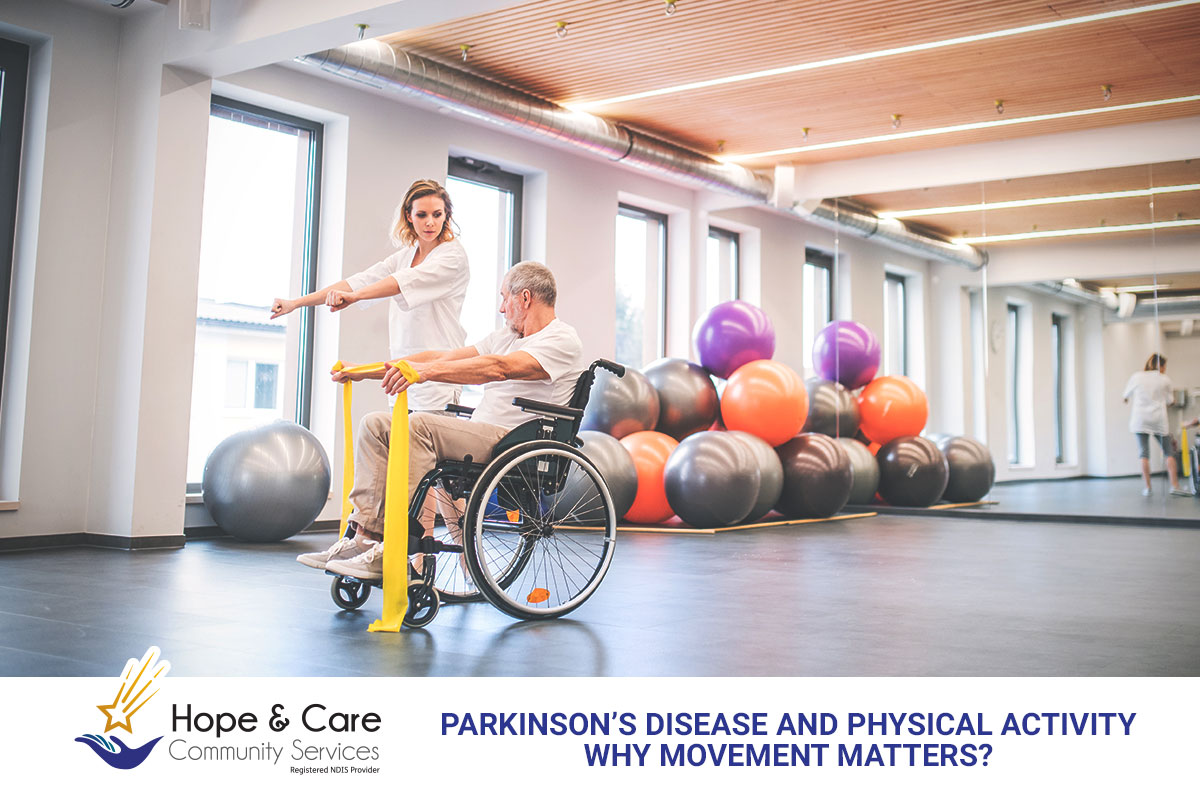
Parkinson’s disease is a progressive neurological condition that affects movement, balance and coordination. Over time, these changes can influence daily activities, mobility and overall quality of life. While Parkinson’s disease currently has no cure, evidence strongly supports physical activity as an effective way to manage symptoms and support long-term wellbeing.
Regular physical activity helps maintain strength, flexibility and balance. When movement becomes part of a consistent routine, it supports both physical and mental health. As a result, exercise is now widely recognised as a key component of Parkinson’s disease management.
How Parkinson’s disease Affects Movement and Mobility
Parkinson’s disease affects the nervous system by reducing dopamine levels in the brain. Dopamine plays a critical role in controlling smooth, coordinated movement. When dopamine levels decline, communication between the brain and muscles becomes less effective.
This process can lead to symptoms such as slowed movement, muscle stiffness, changes in posture and balance difficulties. As symptoms progress, everyday movements may require more effort and concentration. However, regular physical activity encourages repetition and coordination, helping the body adapt and maintain functional movement for longer.
The Role of Physical Activity in Parkinson’s disease Management
Physical activity plays an essential role in managing Parkinson’s disease symptoms. Exercise supports muscle strength, joint flexibility and balance, all of which are important for maintaining mobility and independence.
In addition to improving physical function, physical activity supports cardiovascular health, energy levels and endurance. Research also suggests that regular exercise may support brain health by promoting neuroplasticity, which helps the brain adapt to neurological changes caused by Parkinson’s disease.
Benefits of Exercise for People Living with Parkinson’s disease
Engaging in regular exercise provides both physical and mental health benefits. These benefits contribute to improved quality of life and long-term wellbeing.
Key benefits of physical activity for Parkinson’s disease include:
- Improved flexibility and reduced muscle stiffness
- Better balance and coordination
- Increased strength for daily activities
- Enhanced endurance and overall fitness
- Improved mood, focus and emotional wellbeing
Together, these benefits help support mobility, independence and confidence.
Common Barriers to Physical Activity With Parkinson’s Disease
Despite its benefits, Parkinson’s disease can create challenges that make exercise feel difficult. Symptoms such as fatigue, stiffness and balance changes may reduce motivation or confidence. Safety concerns, particularly around falls, may also limit participation in physical activity.
When activity levels decrease, muscles can weaken and joints may become stiffer, which can worsen symptoms. For this reason, it is important to approach physical activity in a structured, gradual and supported way.
Types of Physical Activity That Support Parkinson’s Mobility
A balanced physical activity program for Parkinson’s disease focuses on maintaining strength, flexibility, balance and coordination. Activities should remain adaptable and responsive to changing abilities over time, ensuring movement stays safe and achievable.
Effective types of physical activity include:
- Aerobic exercise
Activities such as walking, cycling or swimming help improve cardiovascular health, endurance and overall stamina. These exercises also support daily mobility and energy levels. - Strength training
Resistance-based exercises help maintain muscle strength and support posture. Stronger muscles assist with everyday tasks such as standing, lifting and maintaining stability. - Balance and coordination exercises
Activities that focus on balance and coordination help reduce the risk of falls and improve confidence when moving. These exercises support smoother, more controlled movement. - Stretching and flexibility routines
Stretching helps reduce muscle stiffness and improves range of motion. Maintaining flexibility can make daily movements feel more comfortable and less restrictive. - Structured exercise programs
Programs designed for neurological conditions provide guided, goal-focused movement. These programs often combine strength, balance and coordination exercises in a safe and supportive environment.
Consistency is more important than intensity. Even gentle, regular movement can provide meaningful benefits when incorporated into a daily or weekly routine.
*this does not substitute professional medical advice.
Physical Therapy and Allied Health Support for Parkinson’s Disease
Physical therapy plays an important role in improving mobility and movement safety for people living with Parkinson’s disease. Physiotherapists assess gait, posture and balance to design targeted exercise programs.
Allied health support may also focus on fall prevention strategies, posture correction and functional movement training. These services complement regular physical activity and help individuals adapt as symptoms change over time.
The Role of the NDIS in Supporting Physical Activity for Parkinson’s Disease
In Australia, the National Disability Insurance Scheme (NDIS) can play an important role in supporting people living with Parkinson’s disease to remain active and independent. For individuals who meet eligibility requirements, the NDIS may provide funding for supports that help maintain mobility, wellbeing and participation in daily life.
NDIS supports related to physical activity may include assistance from support workers, access to allied health services such as physiotherapy or exercise physiology and support to participate in community-based programs. These supports can help individuals build and maintain regular movement routines in a safe and structured way.
By reducing barriers to physical activity and providing personalised supports, the NDIS helps people living with Parkinson’s disease engage in movement that aligns with their goals, abilities and changing needs.
Incorporating Physical Activity Into Daily Life
Integrating physical activity into daily routines improves consistency and long-term outcomes. Short, regular movement sessions are often more effective than infrequent intensive exercise.
Practical strategies include maintaining a daily routine, spreading movement throughout the day and adjusting activity levels based on symptoms and energy levels. Community programs and professional supports can also help sustain motivation and engagement.
Conclusion: Movement as a Key Part of Living Well With Parkinson’s Disease
Physical activity is a vital component of Parkinson’s disease management. Although the condition affects movement and coordination, regular and appropriate exercise supports mobility, mental wellbeing and overall quality of life. With the right combination of physical activity, allied health care and NDIS supports, people living with Parkinson’s disease can continue to manage symptoms effectively and remain active and engaged over the long term.