
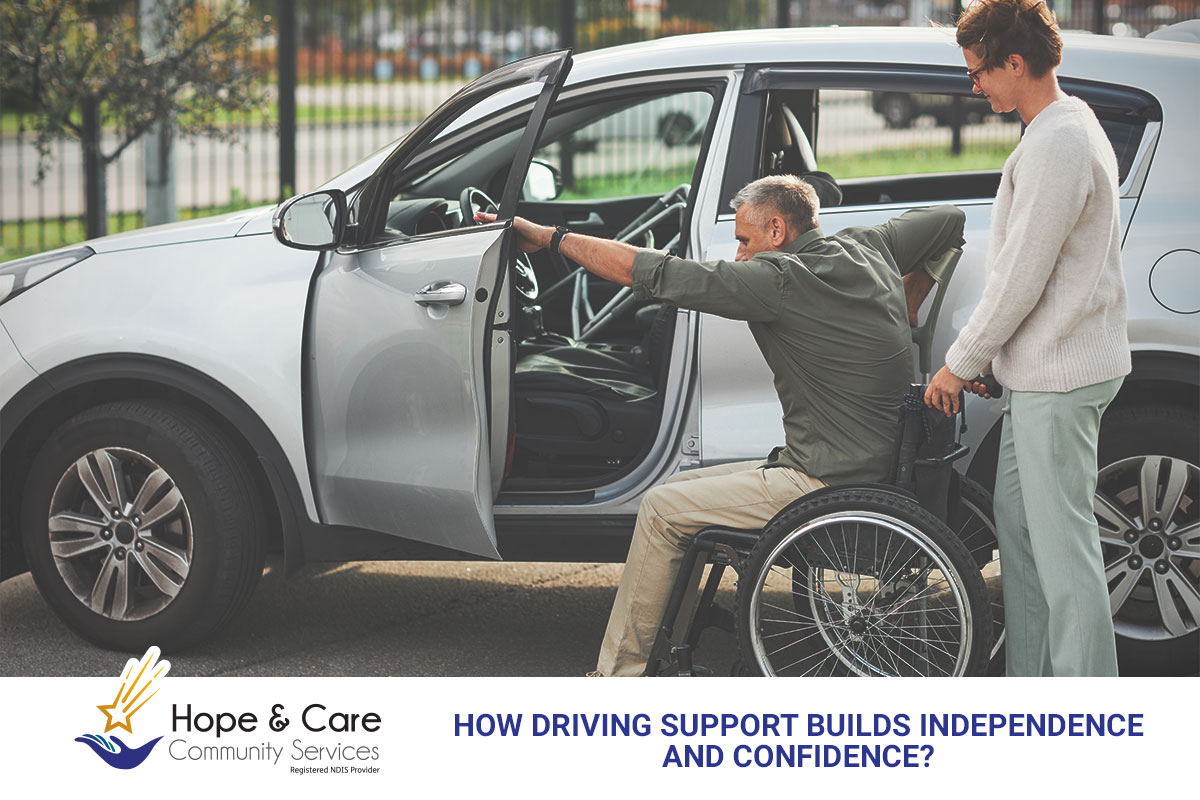
Learning to drive with the NDIS can be a powerful step towards independence, confidence and greater control over everyday life. For many NDIS participants, driving makes it easier to access work, education, healthcare and social activities without relying on others.
With the right planning and the right supports in place, learning to drive can become a realistic and empowering goal for people living with disability.
Why Learning to Drive with the NDIS Matters
First and foremost, transport plays a major role in daily independence. While public transport works for some people, it does not always meet the needs of individuals living with a disability. As a result, transport barriers can limit choice, flexibility and participation.
By learning to drive with the NDIS, participants can increase independence, improve confidence and reduce reliance on others. In addition, driving often supports goals such as gaining employment, attending education or training, managing appointments and staying socially connected. Because of this, many participants include learning to drive as a meaningful goal in their NDIS plan.
How the NDIS Can Support Learning to Drive
Importantly, the NDIS may support learning to drive when a participant needs additional assistance due to the impact of their disability. The NDIS considers these supports individually and links them directly to personal goals and functional needs.
In some cases, learning to drive with the NDIS may include specialist driving assessments, specialised driving lessons or additional lessons where disability affects learning, safety or confidence. Rather than covering general driving costs, this support focuses on removing disability-related barriers.
Getting Started: Applying for a Learner Licence
Before participants can begin learning to drive with the NDIS, they must first obtain a learner licence. Each Australian state and territory sets its own age requirements, testing processes and road rules.
Typically, this step involves studying road rules and completing a knowledge test. However, participants who experience challenges with learning, concentration, anxiety or processing information may need extra preparation. By planning ahead and accessing the right support, participants can approach this stage with greater confidence.
Medical Requirements for Driving
Next, participants must meet medical requirements before driving. These requirements help ensure safe driving for both the individual and other road users.
Medical checks usually assess vision, hearing, attention, reaction time, coordination and physical ability. Completing this step early helps identify whether learning to drive is appropriate and what level of support may be required moving forward.
Occupational Therapy Driving Assessments
In many situations, participants learning to drive with the NDIS complete an occupational therapy driving assessment. This assessment helps identify how disability may affect driving ability and what strategies or supports can improve safety and confidence.
During the assessment, the occupational therapist reviews physical abilities, cognitive processing, sensory needs and understanding of road rules. As a result, the therapist can recommend tailored strategies, specialised lessons or additional supports that match the participant’s needs.
NDIS Driving Lessons and Support
Once approved, NDIS driving support may include a set number of specialised driving lessons. These lessons focus on building skills safely and confidently while allowing participants to learn at a pace that suits them.
Qualified instructors who understand disability-related needs usually deliver these lessons. Consequently, participants receive instruction that adapts to their learning style, communication needs and confidence levels. It is essential that lessons align with what the NDIS plan approves to avoid unexpected costs.
Specialised Driving Support for NDIS Participants
Learning to drive with the NDIS often involves specialised support rather than standard driving practice. For example, participants may benefit from structured teaching methods, extra time to develop skills or targeted practice in areas affected by disability.
In some cases, participants may also learn adaptive techniques or adjustments that help them drive more safely. Overall, this tailored approach helps participants build confidence while maintaining safety on the road.
Progressing Towards a Provisional Licence
As participants gain skills and confidence, they can then work towards completing their driving test and obtaining a provisional licence. Requirements such as logged driving hours and testing conditions vary by state and territory.
By taking a gradual and supported approach, participants can develop strong, long-term driving skills rather than rushing the process.
Supporting Independence with the NDIS
Ultimately, learning to drive with the NDIS is about more than getting a licence. It is about creating choice, independence and meaningful participation in everyday life.
Hope & Care Community Services supports NDIS participants to explore goals by understand available options and take practical steps towards greater independence through everyday life skills and community participation.
Learning to Drive with the NDIS – FAQs
Yes, the NDIS may help with learning to drive when a participant needs additional support due to their disability and when driving supports goals such as independence, employment or community participation.
The NDIS does not usually pay for standard driving lessons. However, it may support specialised driving lessons when a participant’s disability affects their ability to learn or drive safely.
The NDIS may support specialised driving lessons delivered by instructors experienced in working with people with disability. These lessons focus on safety, confidence and individual learning needs.
In many cases, yes. An occupational therapy driving assessment helps identify how disability affects driving ability and what supports or strategies may be required to learn safely.
Yes, learning to drive can be included as an NDIS goal when it supports independence, access to work or education or participation in the community.
Want to learn more? Read other articles :